La Digue is one of the three main inhabited islands of Seychelles, with Mahe and Praslin, and it works differently from both. The tourism board describes it as mostly car-free, with bicycles the norm, so a day here is built around the ferry timetable, a bicycle and the state of the tide rather than around a road trip. A single day is enough to see the island's best-known corner: the village of La Passe, the plantation grounds of L'Union Estate and the granite boulders of Anse Source d'Argent.
This guide is a planning briefing assembled from official sources: Tourism Seychelles, the ferry operator and the bicycle shops themselves. Where a price, an opening time or a sailing time matters, it names who publishes it rather than quoting a figure that will go out of date.
Getting to La Passe by ferry
La Passe is where the boats arrive and where most of the island's practical life is gathered, so it is the natural start and end of the day. Tourism Seychelles says high-speed ferry services operate daily between Mahe, Praslin and La Digue, and that the direct crossing from Mahe takes around 1 hour 10 minutes, a little longer when the boat stops at Praslin on the way.
Cat Cocos, one of the two ferry operators the tourism board names, publishes its own crossing times: Mahe to La Digue direct in 1 hour 10 minutes, Mahe to La Digue via Praslin in 1 hour 45 minutes, and Praslin to La Digue in 15 minutes. The operator says its updated timetable is on its Facebook page, so check the current departures there when you book.
The timings decide how much of the island you get. Someone coming from Mahe should treat the first ferry out and the last ferry back as the two fixed points of the day, work out how many hours that leaves on the island, and plan the rest around them. Do not plan to cut the return close: leave a margin before the last boat home.
Hiring bicycles in La Passe
Tourism Seychelles states that La Digue remains mostly car-free, with bicycles being the norm. Its own account of L'Union Estate says the same from the other direction: bicycles are the preferred approach, with the alternatives being on foot or a car drop-off. For a day visitor that settles the transport question, and the first job on arrival is a bicycle.
Two rental shops in La Passe publish their own arrangements. Ton Ven Bike has a store next to the fire station and says you can collect a reserved bicycle at the jetty, which it recommends for day trippers who want to start the moment they arrive. It lists a ladies' bicycle, a gentleman's mountain bike with a basket, a ladies' mountain bike, a children's mountain bike, a tricycle and a bike with a child seat, and says locks are supplied at no extra cost. It also says each bicycle carries the shop's telephone number, to call if there is a problem with it.
Nedy's Bicycle Rental says it keeps more than 30 bicycles, in versions for men, women and children, and delivers them to your accommodation, which suits overnight guests more than day visitors. It also says that salt air and sandy roads are hard on bicycles, and that it keeps spare parts and spare bicycles for breakdowns. Nedy's publishes its rates on its own site; ask Ton Ven Bike for its current rate. We do not repeat figures here.
Whichever shop you use, book ahead if the day is fixed, check the brakes and tyres before you leave the shop, and note the number to call if something fails.
From La Passe to L'Union Estate
The route to the estate is short. Tourism Seychelles says L'Union Estate is about 15 minutes by bike from the La Passe jetty, which means the main sights are close together and a day on the island is a matter of choosing a pace, not covering distance. The La Passe area page gathers what the directory holds about the village, and the L'Union Estate page covers the estate itself.
At the centre of the estate stands Gran Kaz, a plantation house the tourism board says was built in 1818. The estate is a plantation landscape as well as the way through to the beach, and it is worth a few minutes of your day in its own right.
The estate also has a Takamaka connection. Tourism Seychelles reports a partnership between Takamaka and L'Union Estate that includes a free museum experience and Takamaka Bay's distillery shop. Whether the museum or the shop is open on your day is the estate's and the distillery's information, so ask at the entrance.
The estate charges an entry fee, and the beach lies inside the estate. In an article dated 13 April 2026, Tourism Seychelles stated that tickets bought late in the afternoon were valid the next day and that a special rate applied to stays of more than five days on La Digue. Hours and ticket rules can change, so check the current ones before you plan around them.
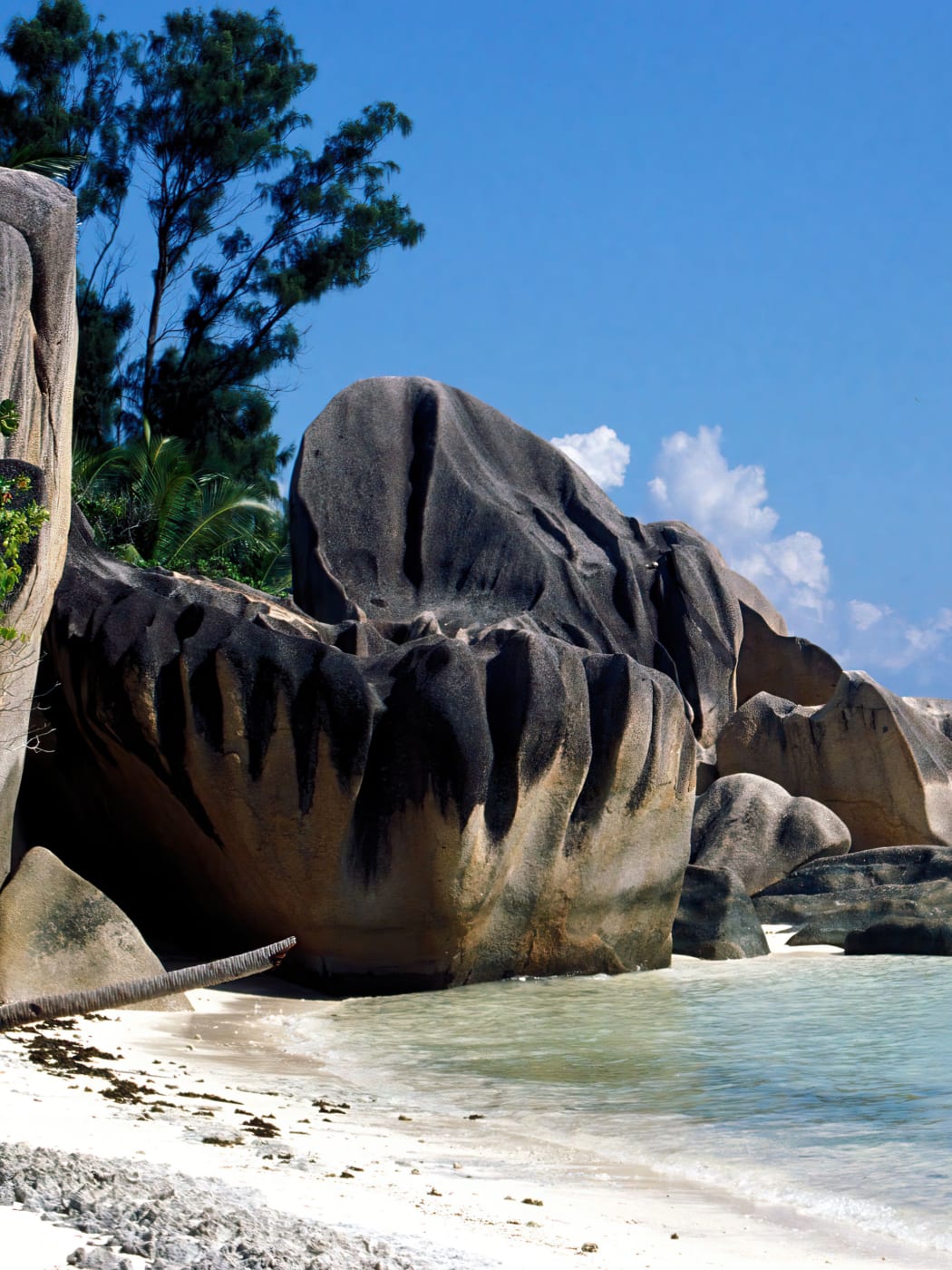
Anse Source d'Argent and its granite boulders
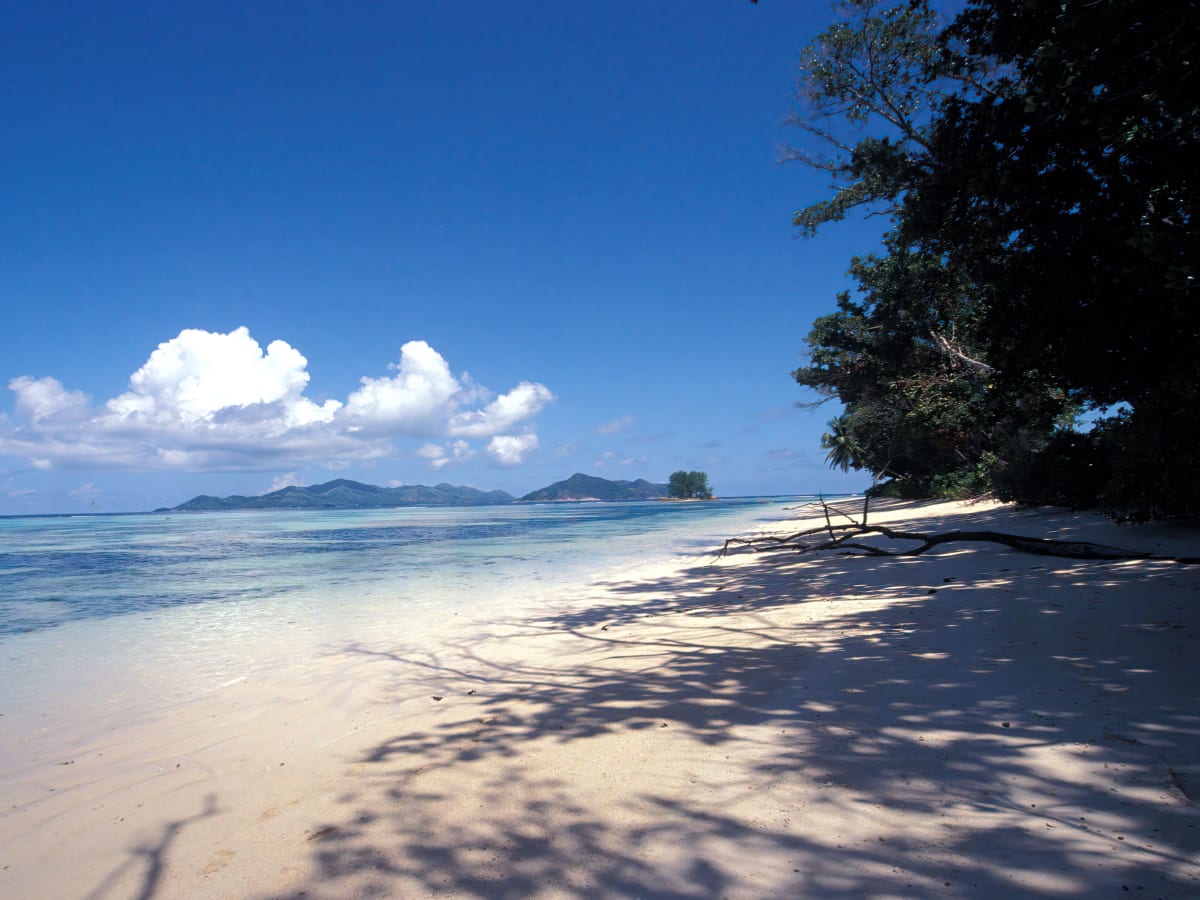
Anse Source d'Argent is reached through L'Union Estate, and the tourism board's family beach guide notes that it lies inside the estate, which charges an entry fee. The same guide says the beach has restrooms, snack bars and shaded picnic spots, with shallow tidal pools, soft sand and gentle waves. That makes it practical as well as photogenic, and a reasonable place to spend the middle of the day.
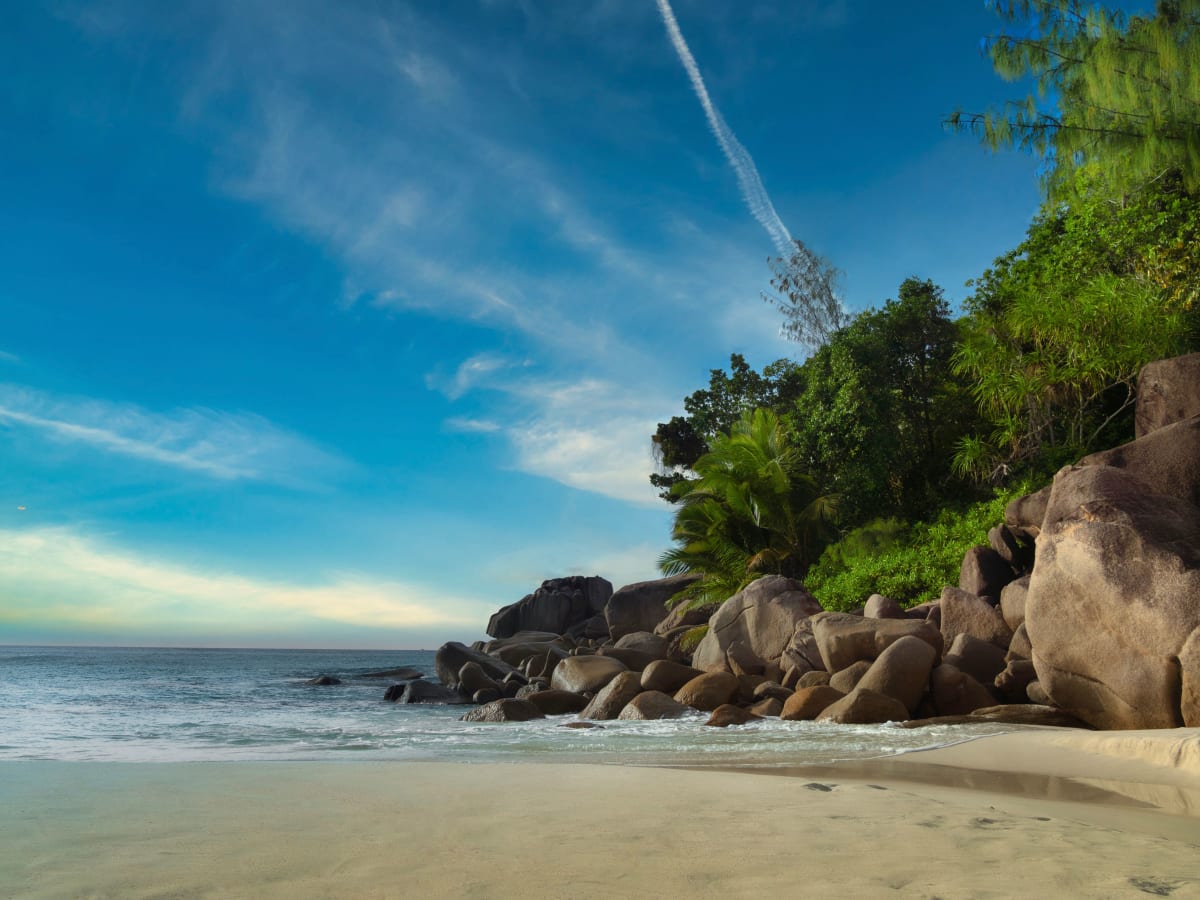
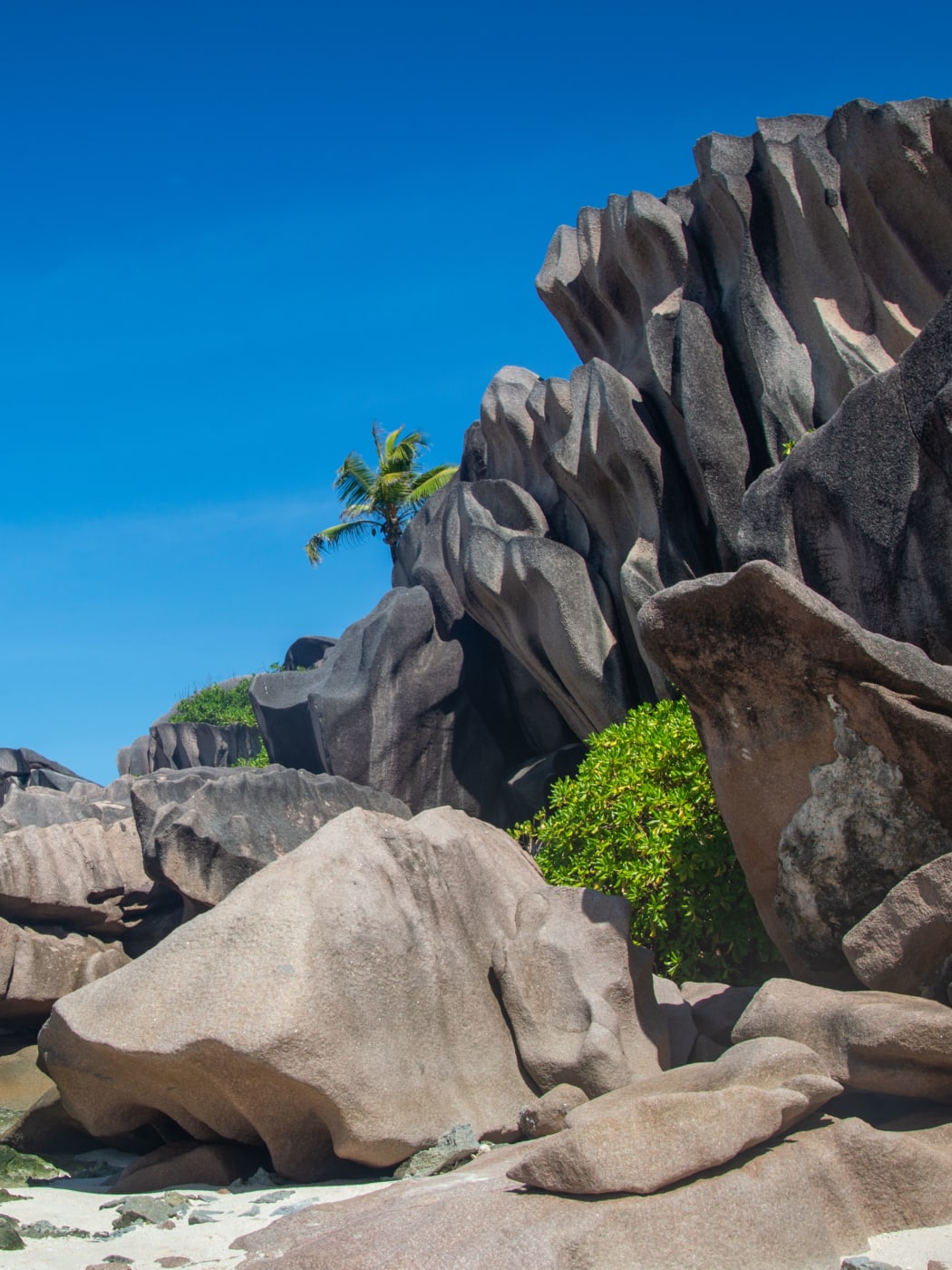
Tourism Seychelles describes it as reputed to be the most photographed beach in the world, with soft white sand, clear turquoise water and huge granite boulders sculpted by the elements and by time. It also calls it one of the busiest beaches in Seychelles. If you want the boulders without a crowd, the practical answer is to arrive soon after the estate opens rather than at midday.
The tide matters more here than almost anywhere else on the island. The tourism board says Anse Source d'Argent is best for swimming at high tide, since its sheltered lagoon almost dries up at low tide. Look up the tide times for your date before you set the order of the day.
Planning the day around the tide
The tide is the one variable you cannot change, so build the day around it. If high tide falls in the middle of the day, put the beach there and keep the estate and village for the hours either side. If it falls early or late, ride to the estate first, see Gran Kaz, and reach the beach for the tide rather than for the clock.
A workable order for a full day runs like this. Arrive at La Passe, collect your bicycles, ride the short distance to the estate, spend the middle of the day at the beach when the water suits swimming, and come back through La Passe with enough margin to return the bicycles and reach the ferry. A visitor with only a few hours between boats should drop something: cut the second beach, not the tide-timed one.
Take drinking water with you and sun protection for the ride. Tap water on La Digue is not something we can report on, so ask your accommodation or a shop before you rely on it.
The Veuve Special Reserve is also on La Digue, on the western side of the island, forming part of a plateau of 200 hectares and covering 21 hectares itself. It is a separate stop from the estate, so decide before you set off whether it belongs in your day.
Granite shores and swimming around La Digue
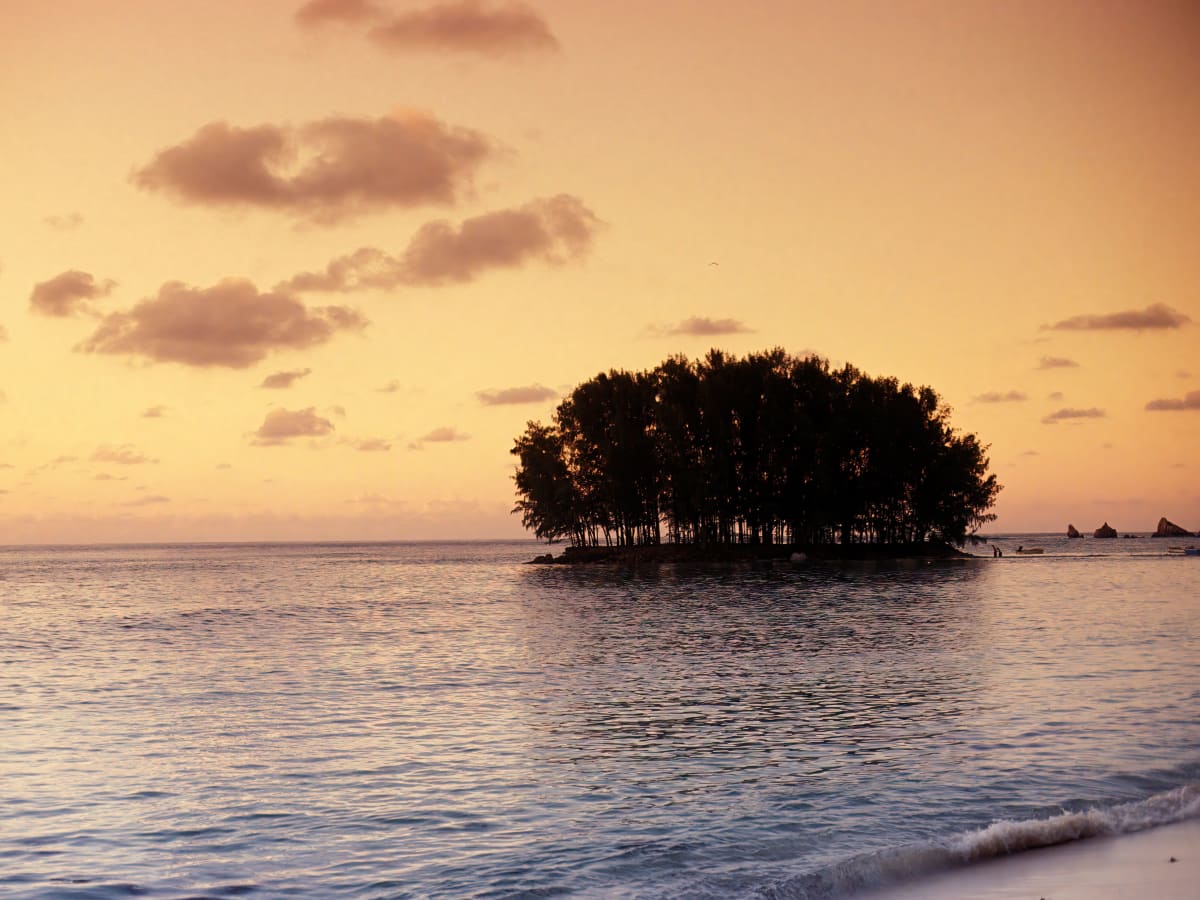
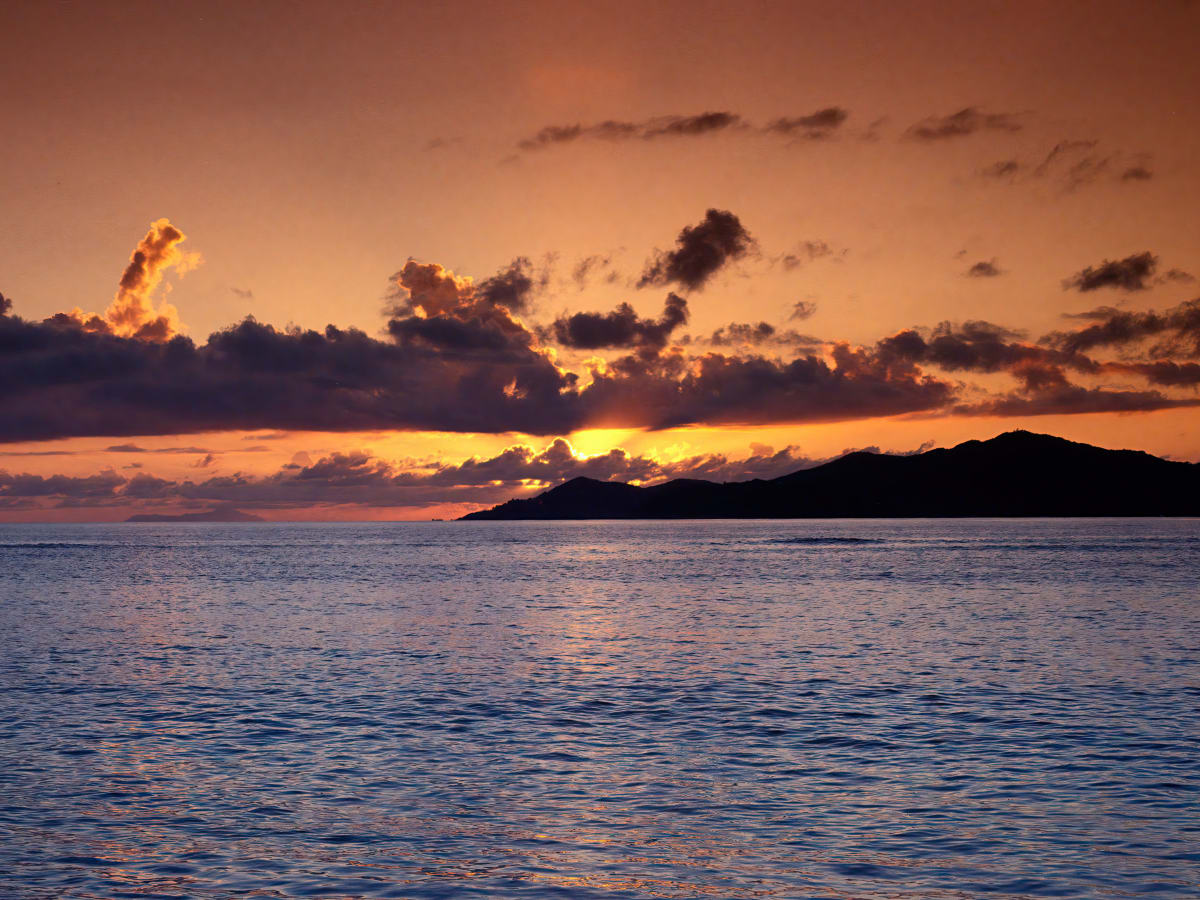
Source d'Argent is not the only beach on the island. Anse Severe is close to La Passe village, and the tourism board's family guide calls it perfect for little swimmers, with calm water, beginner snorkelling and good sunsets. That makes it an easy first or last stop on a day built around the ferry, since it sits close to the village.
Anse La Reunion is the other name that comes up. The tourism board calls it convenient and central, always calm with a shallow entry, and close to family hotels, shops and cafes. Tourism Seychelles also uses the name Anse Reunion as the location label on its Source d'Argent listing.
Wherever you swim, read the sea guidance. The tourism board says the sea is calmer in April and May and in October and November, and that the south-east trade winds from May to September can make some beaches rougher. It also warns swimmers and snorkellers to watch for sea urchins, stonefish and lionfish. In an emergency the number is 999, and the Marine Police and Coast Guard have their own lines, listed on the tourism board's sea safety page.
Where La Passe fits and what to buy
La Passe is also the place for small errands. Tourism Seychelles lists Seashell Creation and Collection at La Passe under shopping, which makes the village the natural place to look for a souvenir before the ferry.
If you would rather stay overnight than rush the day, La Passe Guesthouse is one listed option in the village, and both bicycle shops above say they deliver bicycles to your guesthouse. A night on the island also changes the tide problem: you can reach Source d'Argent at the hour that suits the water instead of the hour that suits the boat.
Practical notes and the car question
Take a few things with you. Carry water, swimwear, a hat and a bag that rides safely on a bicycle, plus the lock key if your shop supplies a lock. Have the ferry operator's number saved, and check its Facebook page for the updated schedule before you leave your accommodation.
If your trip includes a rental car on Mahe or Praslin, plan the day around leaving it behind. The tourism board says car rentals are common on Mahe and Praslin while La Digue remains mostly car-free, and the rental terms we have checked say a hire car stays on its home island. Use Seychelles car hire to arrange a car for the rest of the trip.
Expect the day to feel short. The distances are small, but the ferry and the tide set the limits. A plan with one beach, one estate and a margin for the boat beats a list that tries to cover the whole island.


